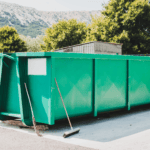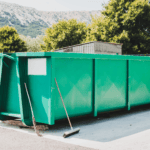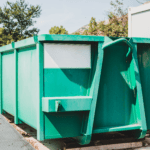
Selecting the correct container size when you’re arranging a commercial dumpster rental will mean efficient workflow and well-managed expenses for your business.
Why It Matters
The size you choose is going to affect how often service is required to empty it, how much space the dumpster takes up on your property, and how easy it is for you to stay within the weight guidelines. Too small a container means frequent overflows and extra trips, while too large a unit raises the base rental cost and can take up valuable room.
How to Decide Your Commercial Dumpster Rental Size
-
Estimate volume
-
Figure weight of your materials
-
Look at your layout
-
Check your delivery and pickup room
-
Consider your schedule
Estimate the Volume
Start by estimating the volume of waste your business or project is going to generate for a one-time event. If you’ve got ongoing operations at a restaurant, office, or retail location, review your recent hauler records or track your output for a week or two.
Figure the Weight
The type of material you’ll be throwing away matters as much as the total volume. Lightweight or bulky items such as packaging, insulation, or office waste usually fill a container by space long before weight becomes an issue. Dense materials like concrete, brick, metal, or masonry from commercial work do the opposite, and, for those projects, a smaller container with more frequent service often costs less overall than one large unit that cannot be loaded to capacity.
Look at Your Layout
Standard 15-yard units typically measure around 12 to 16 feet long, while 20- and 30-yard roll-offs often run about 22 feet in length. You’ll need enough straight clearance in front for the delivery truck to approach and depart safely, plus room on the sides for loading equipment or workers. On tighter commercial lots, a shorter or narrower option may fit better even if it means slightly more frequent service.
Evaluate Your Delivery and Pickup Room
Many commercial sites have limited setbacks, loading docks, or parking areas that cannot accommodate a long container without blocking traffic or violating local regulations of some kind. Measure the intended placement area and note any overhead wires, low branches, or gates that could cause expensive, last-minute changes on delivery day.
Consider Your Schedule
If you’re a high-volume location, you may benefit from a larger container to reduce the number of visits and associated charges. If you have lower-volume waste or are space-constrained, you’ll usually do better with a mid-size unit emptied more regularly. Many businesses start with one size and adjust after the first few cycles based on actual fill rates.
Mistakes to Avoid
-
Guessing your needs without any actual data
-
Focusing only on volume while ignoring weight
-
Under-sizing and creating a safety issue when materials spill or block walkways
-
Over-sizing and wasting money on unused capacity
Call Us for Your Dumpster Rental Needs
When you’re ready to discuss options for your business, contact us at Windsor Sanitation. Our team has matched containers to commercial sites throughout central Connecticut for decades and can help you figure out the most practical fit.
- How to Prepare Your Site for a Smooth Construction Dumpster Rental Delivery
 Before your construction dumpster rental arrives, you need a clear path, a level spot, and a driver who already knows where you want the container. A little work in the days ...
 - Best Practices for Recycling While Using Commercial Dumpster RentalConnecticut law has required every business, institution, and commercial property to recycle certain designated materials since 1991, and the Town of Windsor (and nearby municipalities) reinforces that duty through its own ...
- Long-Term vs Short-Term Roll Off Dumpster Options for ContractorsWhen a job produces more junk than a pickup truck can haul off in one go, a roll-off dumpster lets you keep the site clear without having to run back and ...
- Residential Dumpster Rental Options for Spring Cleaning and DeclutteringSpring arrives, and you look around your Hartford area home. Closets are overflowing. The garage is holding years of forgotten boxes. The basement or attic has collected more than you remember ...
- Residential Dumpster Rental Options for Spring Cleaning and DeclutteringSpring arrives, and you look around your Hartford area home. Closets are overflowing. The garage is holding years of forgotten boxes. The basement or attic has collected more than you remember ...